Start with the work, then find the role for AI
My brief was to find opportunities within existing workflows: where could AI help someone move faster, reduce effort, or improve the quality of what they were doing? The focus was on practical quality-of-life improvements across the applications people already used.
That frames the design problem around a task and the person doing it. Adding an AI capability is only valuable if it makes that task easier to complete.
Look across the ecosystem for useful opportunities
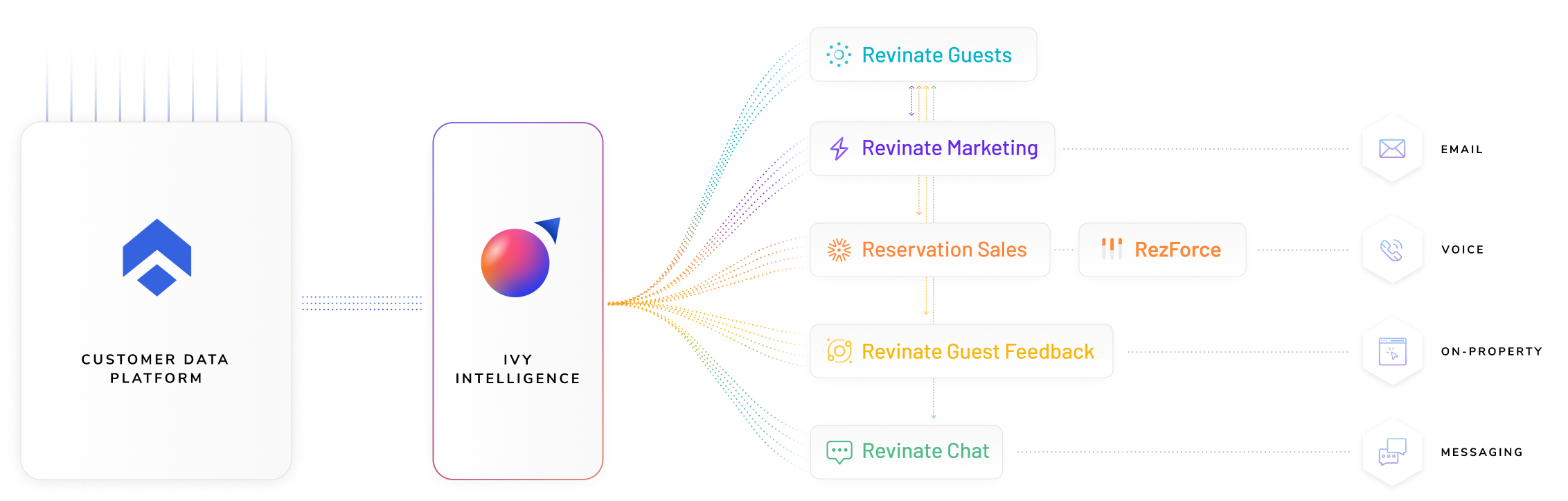
My responsibility was to come up with ideas for where AI could accelerate and improve existing work. My scope included AI writing, guest communication in Chat, and property knowledge in Vault, giving the initiative a broader scope than a single screen or standalone feature.
The work connected product thinking with workflow design: identify the task, consider the information available within that experience, and find where AI could reduce effort. The opportunity needed to make sense within an existing workflow.
- Opportunity identification: look for places where existing work could become faster or easier.
- Workflow improvement: consider how AI assistance could support a task without creating more work around it.
- Cross-product perspective: consider how connected information and different user tasks shape where assistance would be useful across the ecosystem.
Three places to make AI useful
AI writing: help people get to a usable draft
I worked on AI writing within existing product workflows. The interaction challenge extends beyond generating text: a person needs to assess the suggestion, adapt it to the task, and decide when it is ready to use. That makes the path from suggestion to usable content central to the experience.
Chat: connect automated help with human service
My work also included Revinate Chat, where AI-assisted guest communication sits alongside staff involvement. Chat routes complex conversations to live agents with conversation context. The design problem is continuity: staff need to understand what has happened and what the guest still needs when they take over.
Vault: make property knowledge usable by AI
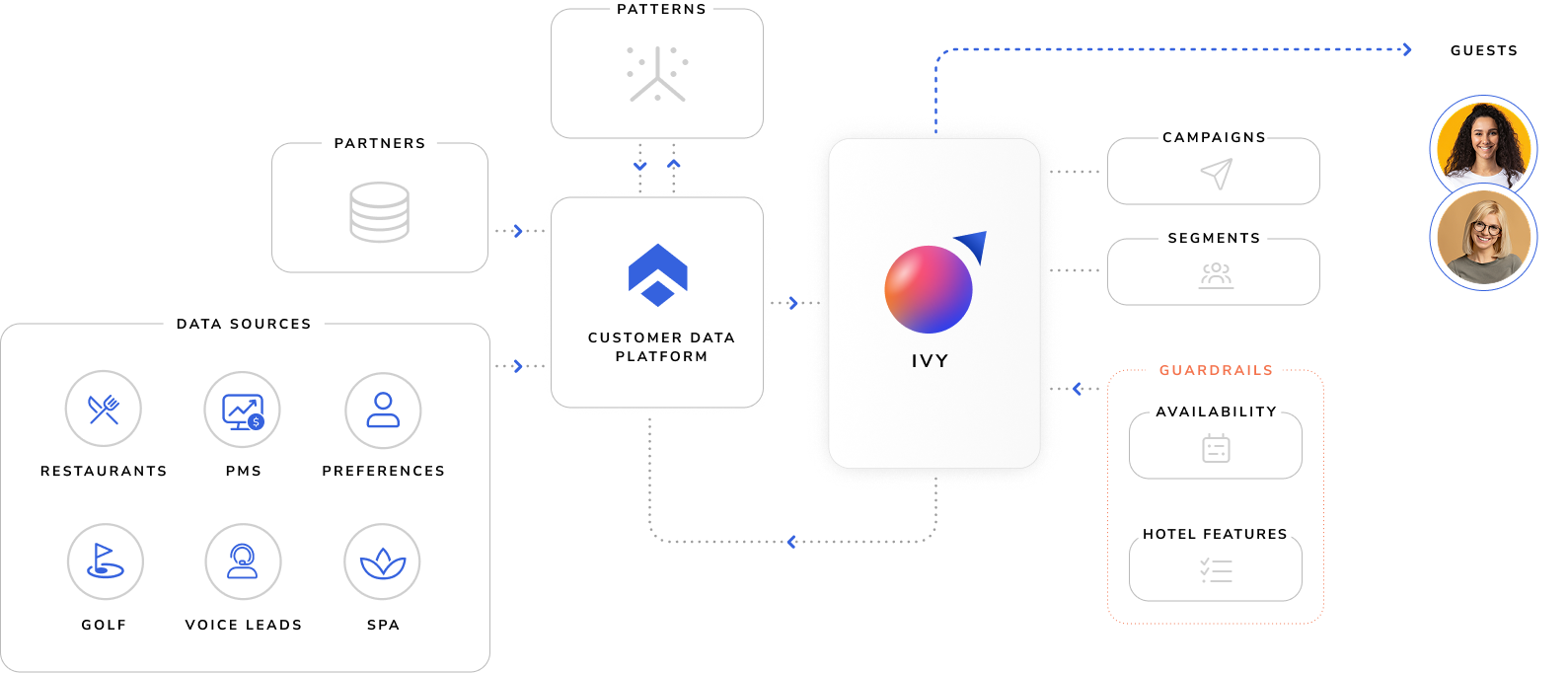
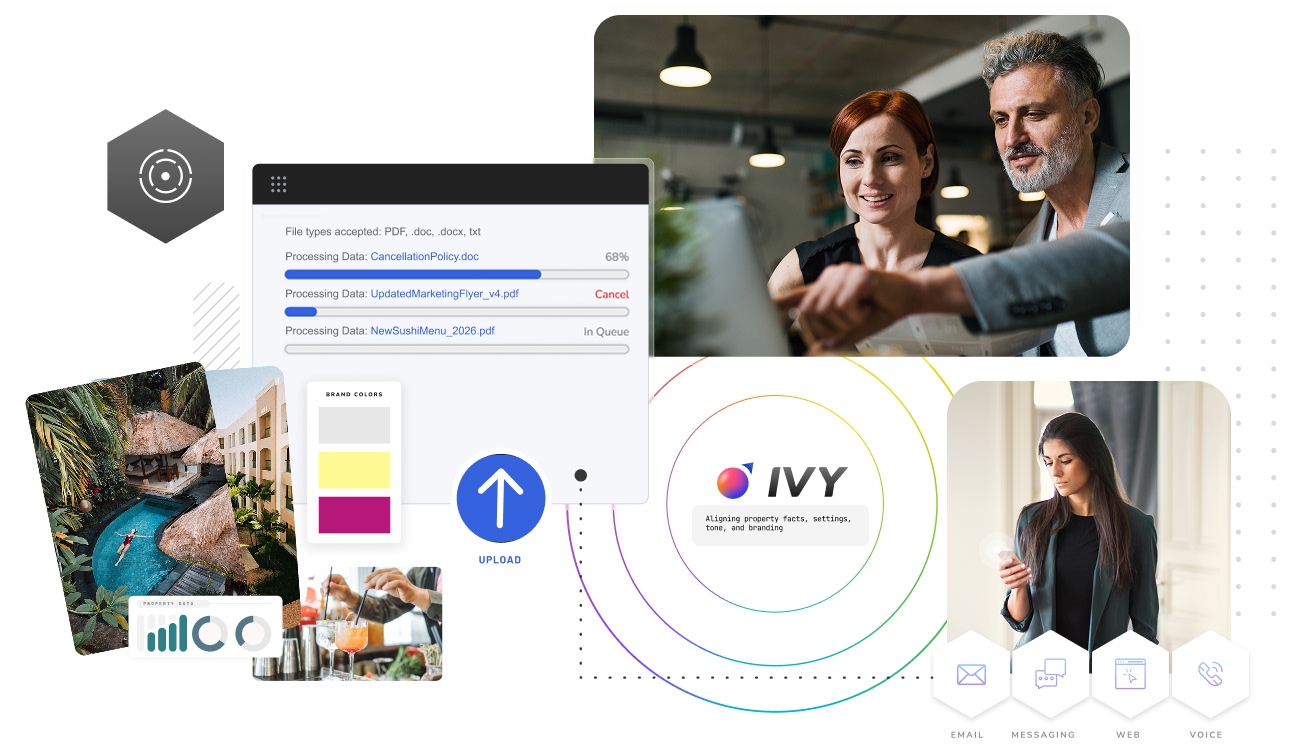
I worked on Vault, the property knowledge experience supporting Chat. Vault turns property documents and brand information into context for guest responses. This brings setup and configuration into the AI experience: the quality of the assistance depends on the information a property provides and how it represents its own voice.
These workflows connect different parts of the same design problem: helping people supply context, use assistance, and stay involved when judgment is needed.
Judge the assistance by the task it improves
A useful lens for this work is the full cost of a task. Generating something faster is only one part of the experience; people may still need to understand it, check it, edit it, and decide what to do next.
For a quality-of-life improvement to earn its place, the assistance needs to save effort across that whole sequence. That means considering where it appears, what context it needs, and how someone stays in control of the result.
This is the central interaction challenge of AI within an established product: make the help available at a useful moment and keep the next step clear.
Connect information to the next useful action
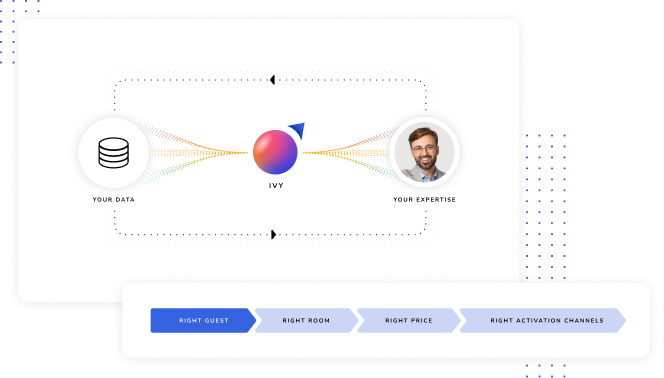
Working across the ecosystem put the emphasis on how people use information. Someone editing generated copy, a staff member taking over a chat, and a team setting up property knowledge each need a different kind of support. Useful assistance needs to fit those differences.
My responsibility was identifying ideas for improving those existing workflows. The design question was where AI could help someone interpret information or move a task forward, with a clear way to review the result and decide what happens next.

Availability also needs to be understood at the feature level. The Reservation Sales rewrite and new AI call scoring experience covered in my separate case study have not yet launched publicly.
Small workflow improvements can be meaningful product work
Ivy represents a different part of my practice from a platform rewrite or a new workflow builder: looking across established products and finding opportunities to make everyday work better.
The design question I carry forward is straightforward: does this make the person's task easier, or does it simply add another capability? Keeping that question central connects AI exploration to practical product value.