Inconsistency was a workflow problem
When I joined Revinate, designers had brand guidelines and what was effectively a sticker sheet. Quality varied significantly across design output, and handoffs required recurring meetings to explain the work and resolve missing detail.
I built a shared toolbox so designers could produce complete, consistent interfaces and communicate behavior without relying on a live walkthrough.
Build behavior into the components
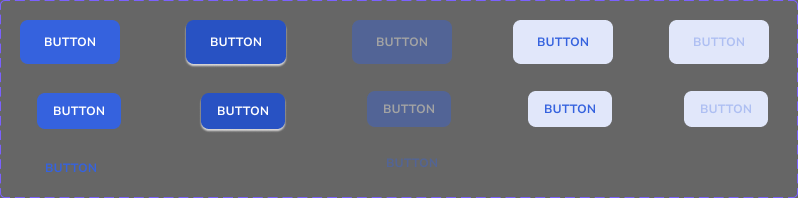
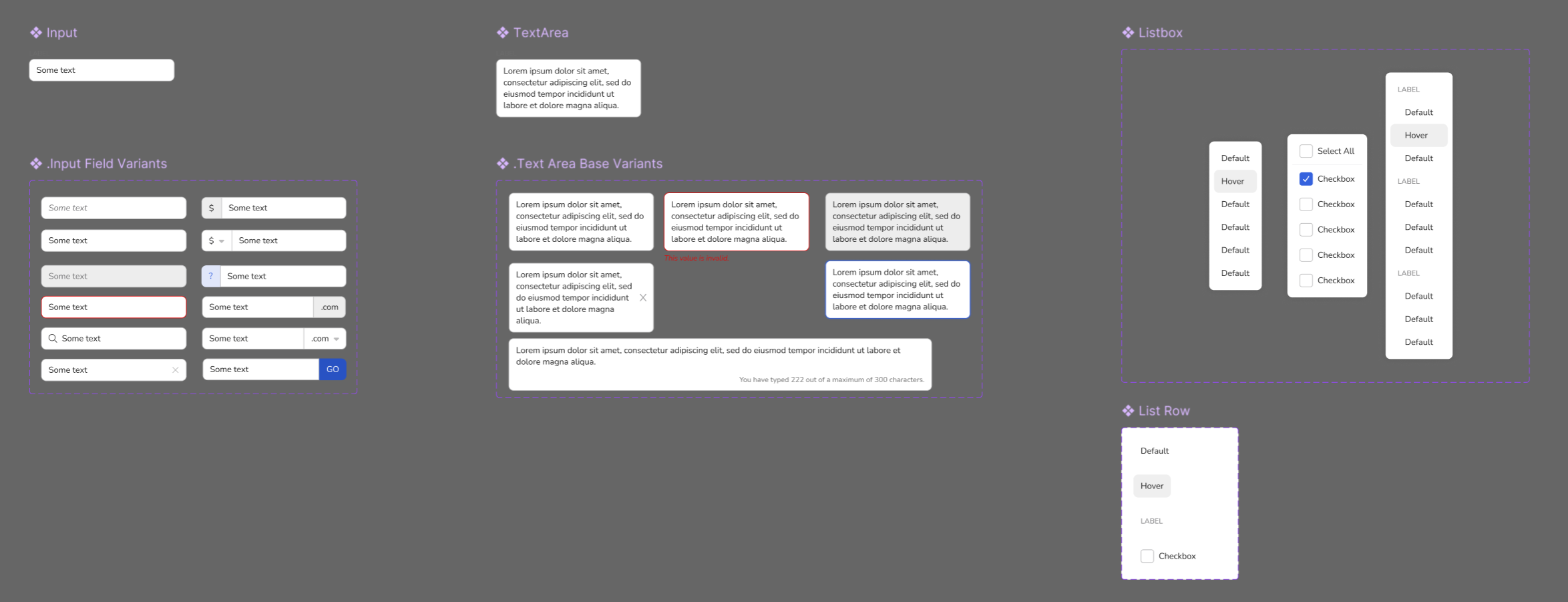
The atomic Figma library included tokens, responsive elements, page layouts, and reusable controls. I refined components with hover, click, and other states so teams could provide interactive prototypes alongside static mockups.
Connect design decisions to implementation
I partnered with the frontend guild to define component behavior and properties, review implementations, and approve releases. The Figma library became the basis for a React component library documented in Storybook.
My contribution covered design ownership and implementation alignment; engineering owned the technical delivery of the React library.
Adopt progressively within real constraints
Teams started using the Figma library on new projects. We refined edge cases and built familiarity before overhauling legacy screen designs with the new system.
Give teams a structure for composing screens
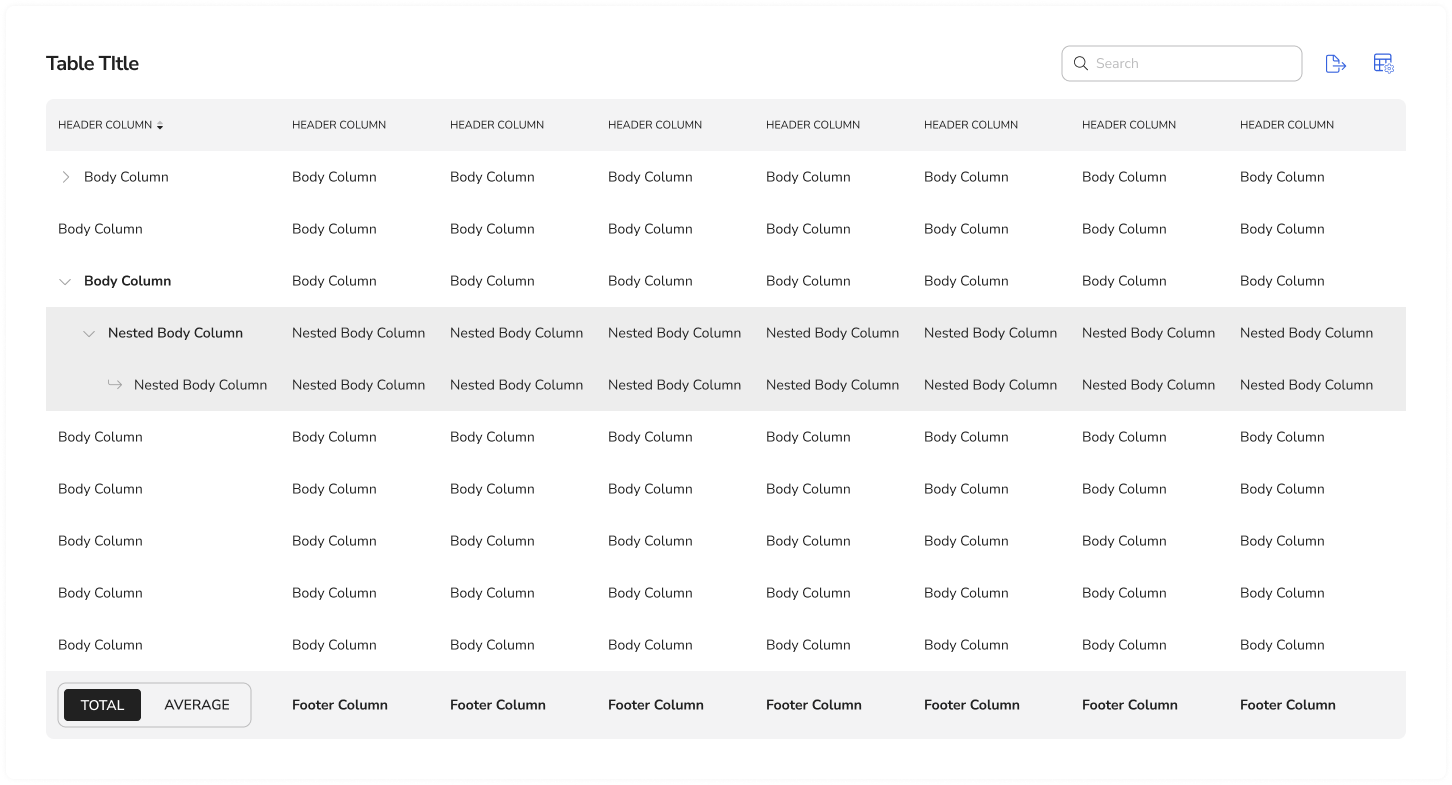
The library also included page-layout templates, with shared navigation, page actions, and content slots. These established a starting structure that teams could fill with local components, extending consistency beyond individual controls.
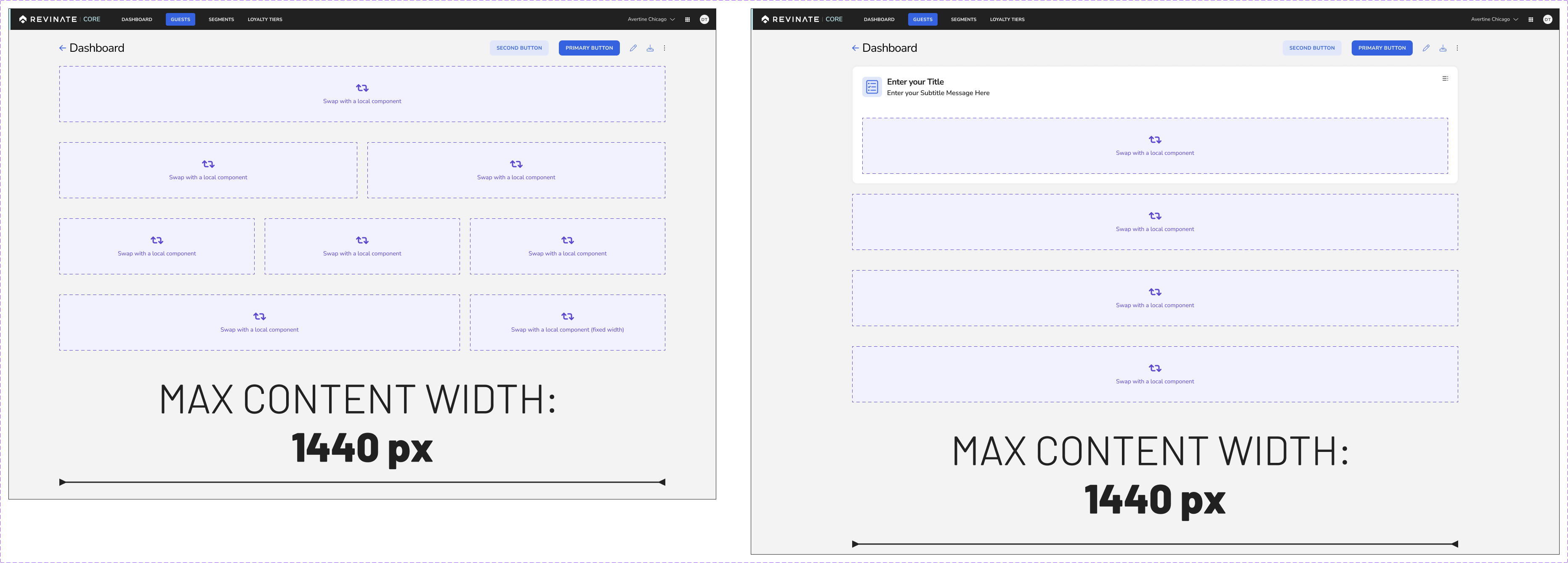
Code adoption followed a different path. Legacy .NET applications could not readily implement the React library, so engineering used it on net-new projects. Design consistency could extend across applications without requiring every codebase to migrate at once.
Less explanation in meetings
Shared components, interactive prototypes, and the revised handoff process enabled Product and Engineering to work largely asynchronously. I estimate that this replaced approximately eight weekly meetings lasting one to two hours each, across groups representing around 30–35 people.
That is approximately 8–16 hours of scheduled meeting time across the team’s calendar—not a calculation of person-hours. Attendance varied, and this is a retrospective estimate rather than a formal time study.